
We are
Team Ricochet
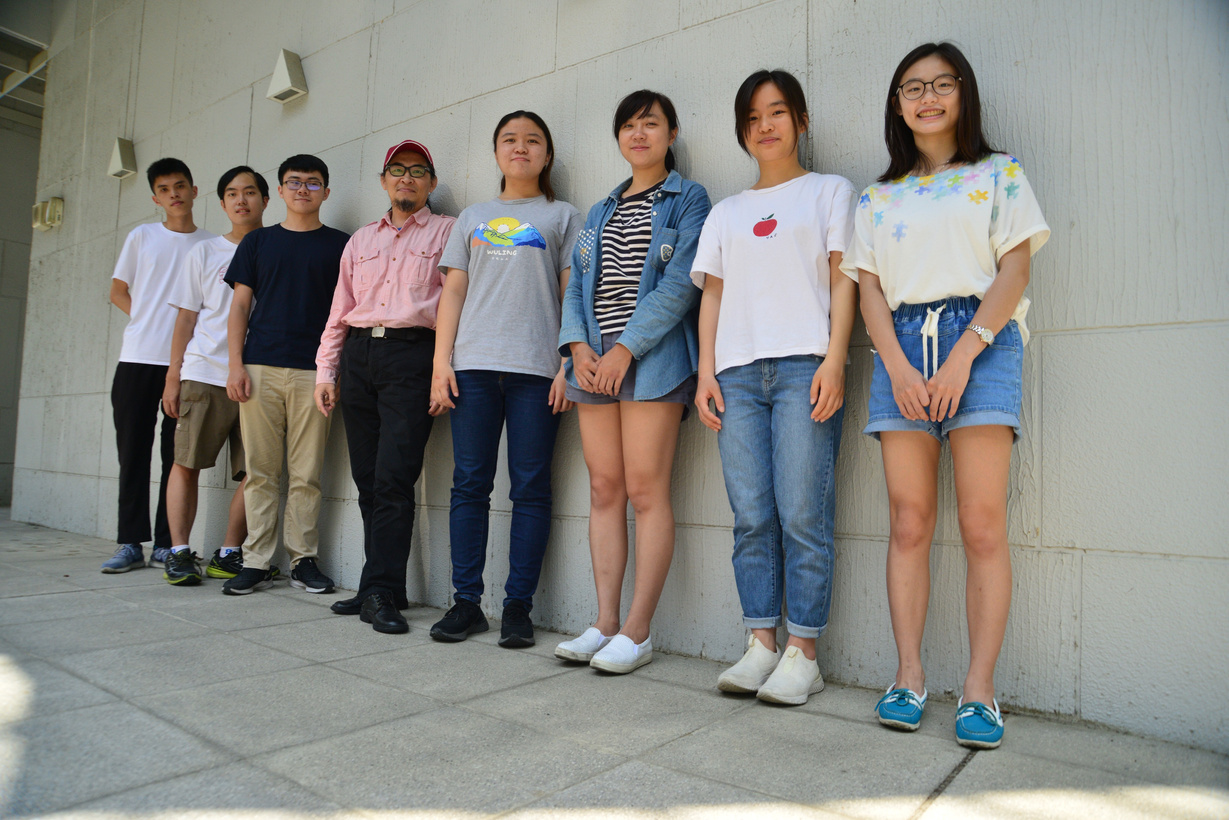
We are an interdisciplinary team formed by professionals in the fields of biology, engineering, management, and liberal arts. Sharing the same passion for sustainability, we started the biomimicry project to tackle global challenges by applying nature’s genius.
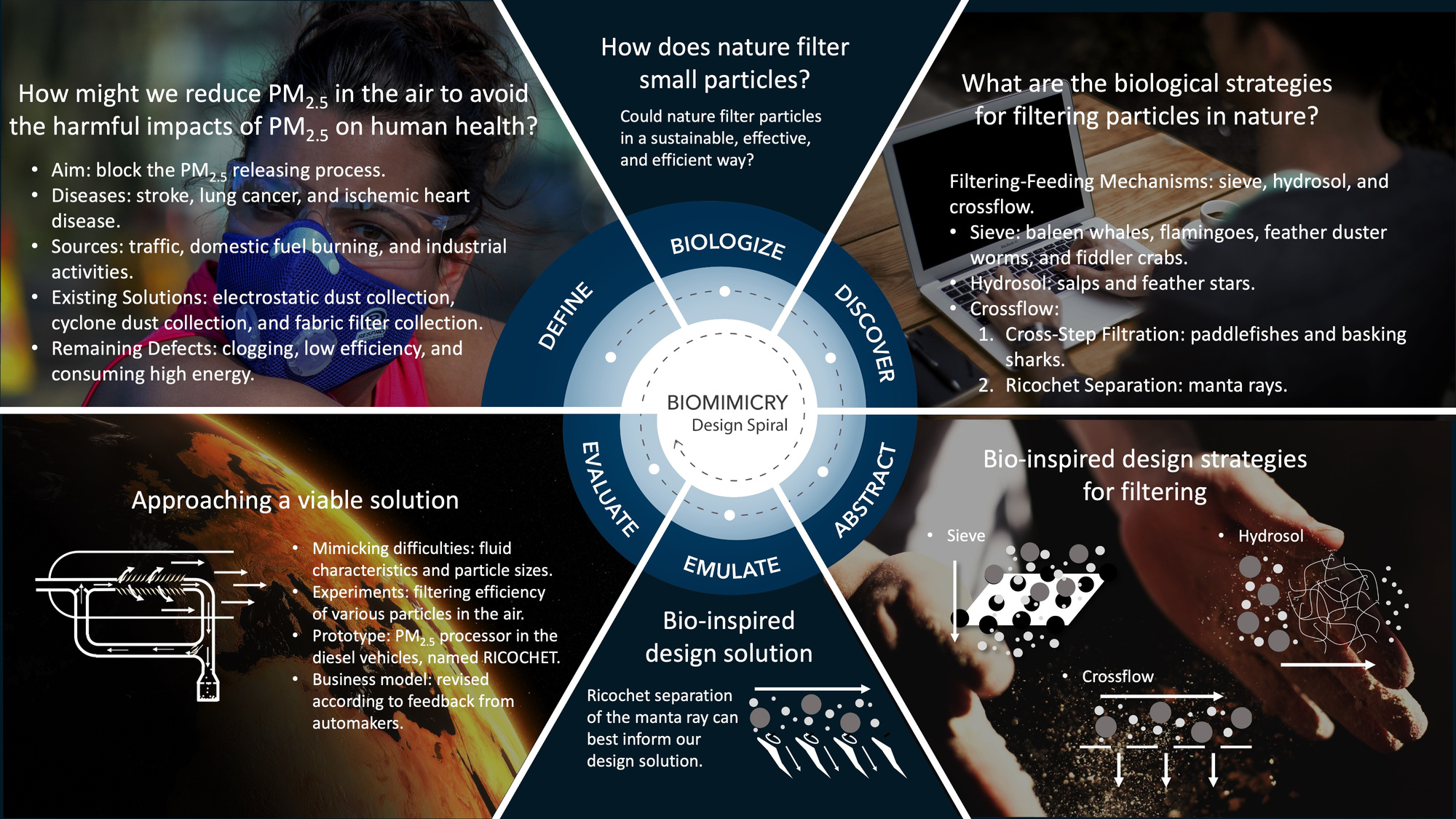
Our work on a manta-inspired, sustainable PM2.5 filter was recognized by the Biomimicry Institute as one of the 10 finalists in the 2020 Biomimicry Global Design Challenge.
The Problem
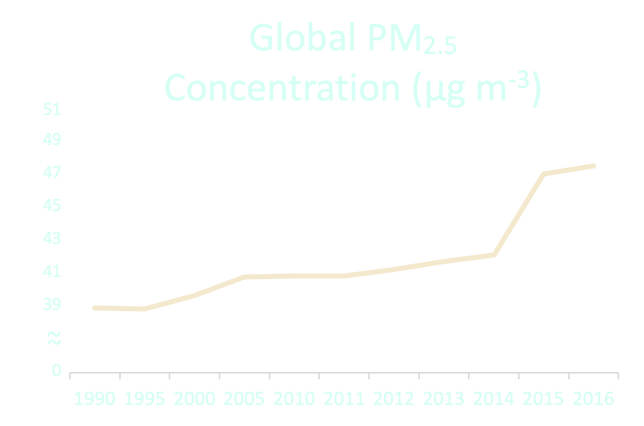
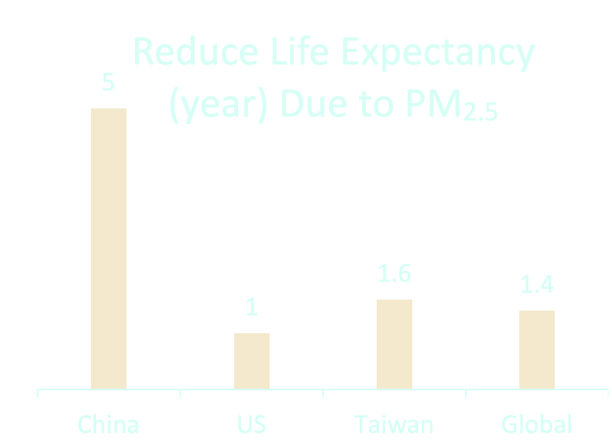
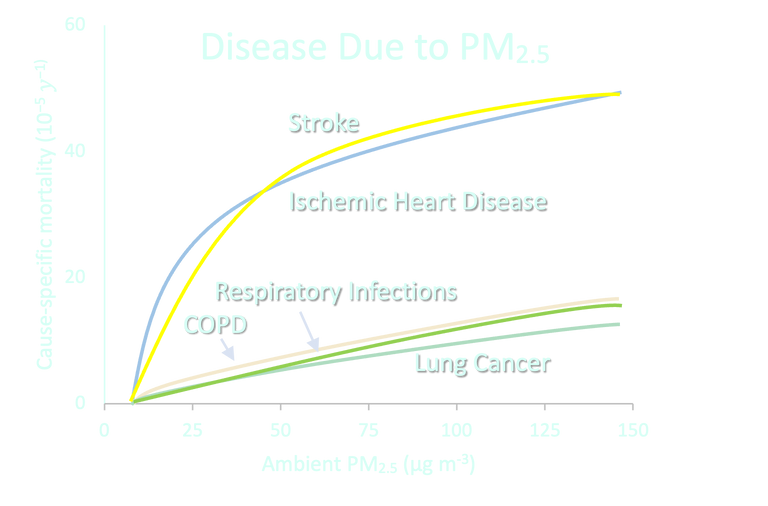
Air pollution, especially from fine particulate matter (PM2.5), is a significant global health concern. It contributes to millions of deaths and increases the risk of serious diseases like heart disease, stroke, chronic lung conditions, and lung cancer. Exposure to polluted air reduces life expectancy worldwide, with more severe impacts in highly polluted regions. To create a better living place, we aim to reduce PM2.5 emissions through improving air filtering systems at major PM2.5 sources.
The Solution
Food-filtering mechanisms in nature
Manta Rays
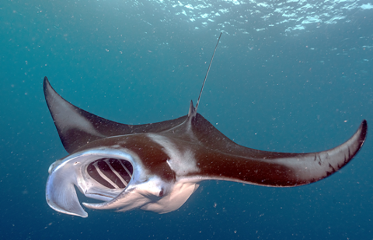
A filter-feedingfish equipped with highly specialized filter lobes. When manta ray swims, its mouth is filled with seawater. As seawater passes through the pharyngeal, plankton is concentrated in front of the esophagus while water leaks out through the gills. Manta rays close their mouth and swallow gathered plankton every few minutes. Different from other filter-feeding fish, manta ray can filter particles smaller than the pore size, allow high flow rates, and resist clogging. Its structure causes particles to ricochet away from the filter pores physically, which is called ricochet separation.
Prototype
In the context of air pollution generation in diesel vehicles
1. Major Filter
Air from a diesel engine flows across the structure. Clean air will flow into the exhaust pipe, and particles will be trapped in the filter device.
3. Valve
It allows the remaining air to flow back through the recycle tube and prevents the air from flowing into the recycle tube conversely.
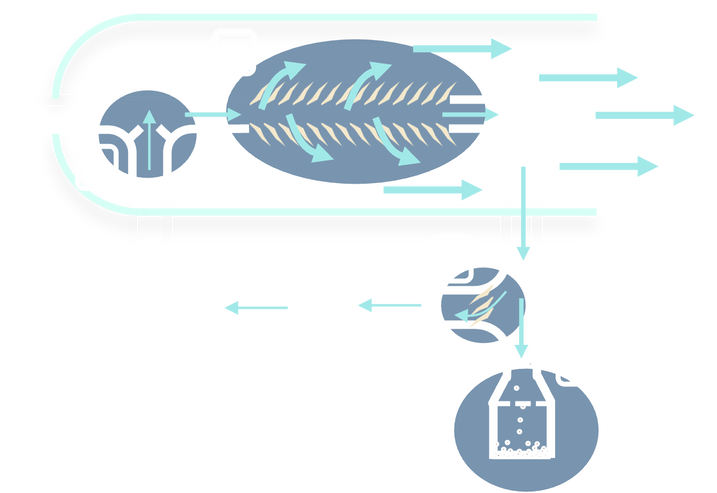
2. Minor Filter
The minor filter enables the particles to fall into the collector successfully, while the remaining air will still flow in the tube and go on to the next cycle.
4. Collector
Particles deposit slowly in the first room of the collector. A certain amount of particles will trigger the partition to open, which will make the particles fall into the second room.
Design Summary